June 4, 2025
Childproofing Your Home’s Electrical System: Tips for Parents
For parents with young children, ensuring a safe home environment is a top priority. While many people babyproof cabinets and install gates, electrical hazards are sometimes overlooked—yet they pose significant risks to curious kids.
The first step in childproofing your home’s electrical system is securing all outlets. Standard plastic outlet covers are a good start, but tamper-resistant outlets (TROs) offer superior protection. These outlets have built-in safety shutters that prevent foreign objects from being inserted unless equal pressure is applied to both slots.
Cords and power strips also pose dangers. Keep them out of reach, behind furniture, or secured with cord management systems. Never run cords under rugs, as they can overheat or become tripping hazards. Also, be cautious with extension cords—they’re meant for temporary use only and shouldn’t replace permanent wiring.
Appliances should be unplugged when not in use and kept away from sinks, bathtubs, or other wet areas. Electricians can install GFCI outlets in bathrooms, kitchens, and other high-moisture areas to help prevent electric shock.
Another important safety feature is the circuit breaker panel. Ensure it’s labeled clearly, and consider installing an AFCI (Arc Fault Circuit Interrupter) breaker, which shuts off power when it detects dangerous electrical arcs—often caused by frayed wires or damaged devices.
In addition, make sure that all light fixtures are fitted with the correct wattage bulbs. Using a higher wattage than recommended can cause overheating and increase the risk of fire.
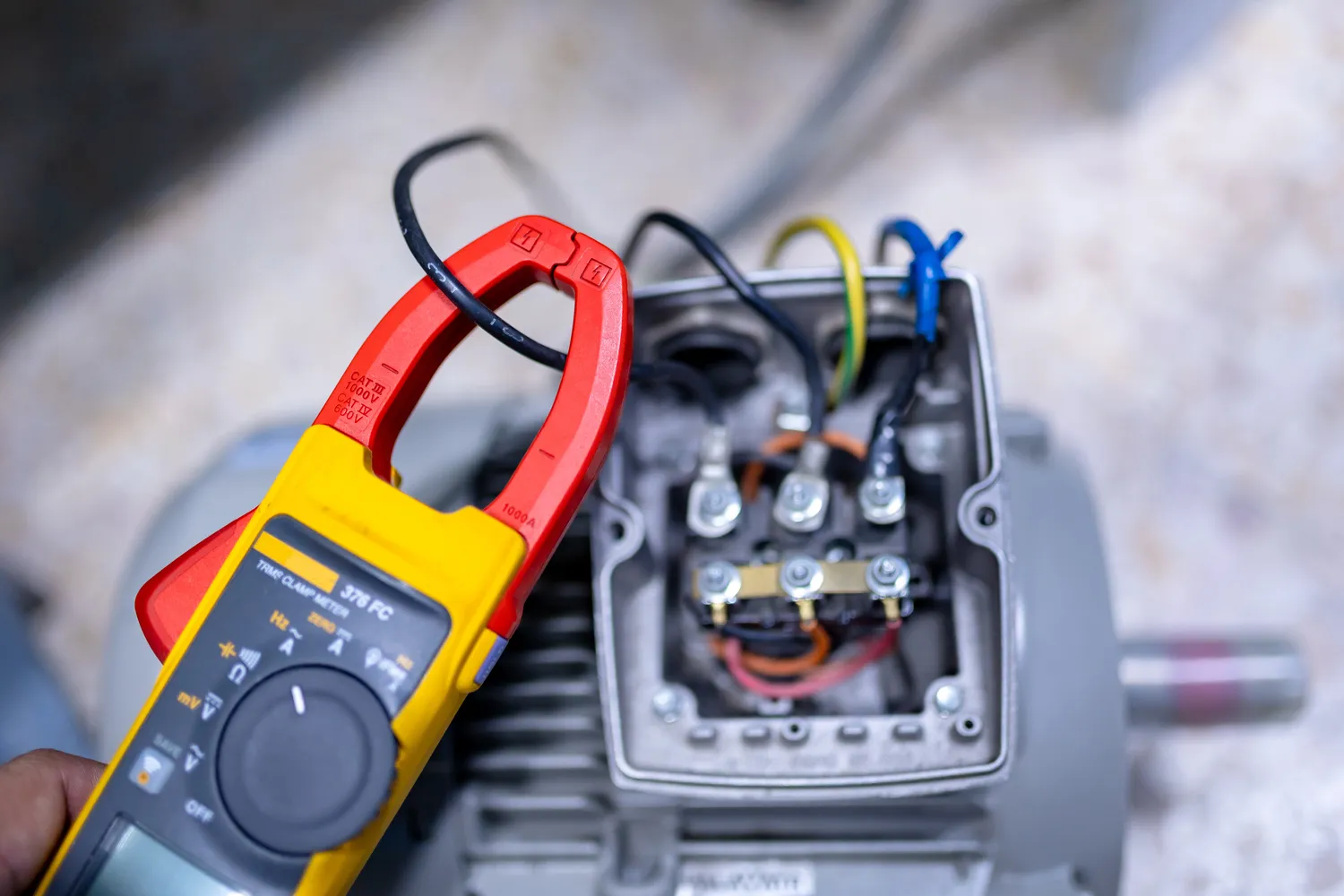
Finally, consider having an electrician inspect your home to identify hidden risks and make recommendations tailored to your household. A professional assessment is especially important in older homes, where wiring may not meet today’s safety standards.
Protecting children from electrical hazards doesn’t require major changes—but it does demand attention and care. With a few key upgrades and safety habits, you can create a secure and kid-friendly environment.